
Choosing the Right Trail Camera for Your Property and Your Goals

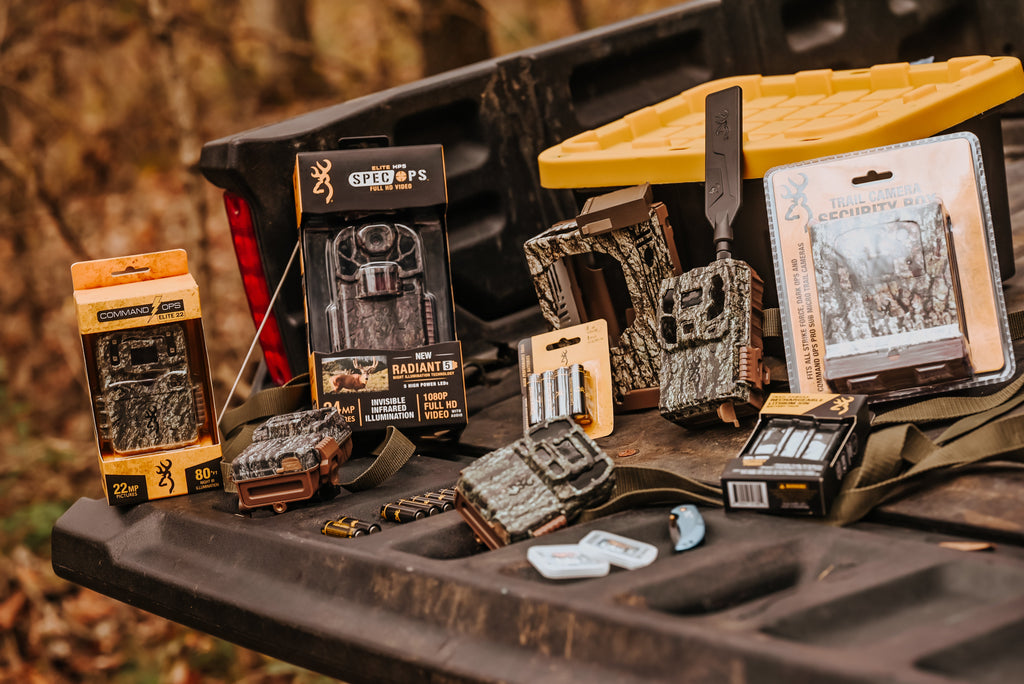
Selecting the right trail camera is less about chasing impressive specs and more about understanding how a camera’s core functions align with the behavior of wildlife and the layout of your land. Modern scouting cameras, whether cellular or SD-card based, have become powerful tools for land managers, hunters, researchers, and property owners. The challenge is not finding a camera that works, but finding one that works for your specific environment.
Cellular vs. SD Card Trail Cameras
The first major decision is whether you want a cellular trail camera or a traditional SD card wildlife camera. Both are effective, but they support different strategies.
A cellular camera uses a built-in connection through providers such as AT&T or Verizon to deliver images and alerts directly to your phone. This is ideal for remote access, low-pressure hunting setups, long-distance properties, and security scenarios where real-time awareness matters.
An important advantage beginners often overlook is that a cellular trail camera still operates as a full-function SD card camera even if no cellular plan is active. If cellular service is not needed year-round, you can simply run the camera locally and activate remote transmission only when needed.
Traditional SD card trail cameras remain popular because they do not require a subscription. For high-traffic backyard setups, short-distance monitoring, or areas with zero cell coverage, an SD-only model remains an efficient solution.
Match Camera Capabilities to Your Terrain
Understanding the physical environment where your camera will operate is one of the most valuable decision-making steps.
In dense timber, fast detection speeds and strong low-light sensors matter more than extreme range. Wildlife often moves between shadows, and the camera needs to recover quickly between triggers.
In open fields, food plots, or utility corridors, wider detection zones and long-range infrared illumination help capture activity across broader spaces.
For property monitoring near gates, driveways, outbuildings, or perimeters, reliability and rapid delivery of images become the priority. A camera that transmits consistently allows you to verify movement without making a physical trip to the site.
An accurate choice begins by visualizing the exact location where the camera will sit. Every property has natural bottlenecks, open lanes, and shadow zones. Choosing a model that complements those physical characteristics will produce significantly better results than selecting a camera by specs alone.
Consider How Often You Plan to Access the Camera
If reducing human intrusion is important for your hunting strategy, cellular cameras give you the ability to monitor activity without disturbing the area. Likewise, if the camera is on a remote property, a long driveway, or terrain that becomes muddy or inaccessible, remote access provides measurable convenience.
If you enjoy visiting your sites often or your monitoring area is close to home, an SD-card based scouting camera may suit your routine perfectly. The operational quality is similar. The difference lies in how you intend to interact with the device.
Evaluate the Features That Influence Image Quality
Specification sheets can be misleading. Higher megapixel numbers do not automatically translate to better clarity. What influences real-world performance is the strength of the image sensor, the consistency of the motion detection system, and the quality of the infrared illumination.
A dependable trail camera should:
• Trigger consistently when wildlife enters the detection zone
• Capture moving animals cleanly without excessive blur
• Deliver defined nighttime images without overexposure
• Recover quickly between triggers
• Maintain performance across wide temperature swings
Do not overvalue megapixel ratings. Prioritize the camera’s ability to detect motion and process images accurately in changing outdoor conditions.
Consider Whether Livestream Capability Matters
Livestream-capable trail cameras represent a newer category of technology that appeals to both wildlife observers and property owners. Instead of waiting for a transmitted image, you can view real-time footage directly from the camera.
This is particularly useful when:
• You receive a motion alert and want immediate confirmation
• You manage property where human or animal activity must be monitored live
• You enjoy observing wildlife behavior in real time
• You want to verify security concerns instantly
A livestream camera still functions like a standard trail camera, but the ability to check the site at any moment adds a layer of situational awareness many landowners appreciate.
Power Management and Battery Strategy
Battery life varies widely based on environmental factors, transmission frequency, capture rate, and camera efficiency. Cold weather, heavy nighttime activity, and frequent cellular uploads can all shorten run time.
If you intend to leave a camera unattended for extended periods, it is worth considering an external power pack or solar system. The more stable the power source, the more consistent the performance.
A well-designed camera maximizes standby efficiency and conserves energy when inactive.
The App Matters
A cellular camera is only as good as the platform that manages it. A well-designed app should make setup, image management, and setting adjustments intuitive.
Strong mobile software improves:
• Notification speed
• Organization of images and videos
• The simplicity of changes to detection settings, modes, or transmission preferences
• Reliability during high-activity periods
For beginners and seasoned users alike, clean app design reduces frustration and enhances the overall operation of a cellular scouting camera.
Choosing the Right Trail Camera
Choosing the right trail camera ultimately comes down to reliability, clarity, and confidence that your equipment will perform when it matters most. Cameras placed in the field must detect movement accurately, capture clean images in changing light conditions, and operate consistently through long seasons outdoors. Browning Trail Cameras are built around these same principles, combining dependable detection, balanced image processing, efficient power management, and intuitive mobile connectivity.