
How Do Trail Cameras Work? - A Beginner’s Guide to Understanding Trail Camera Technology

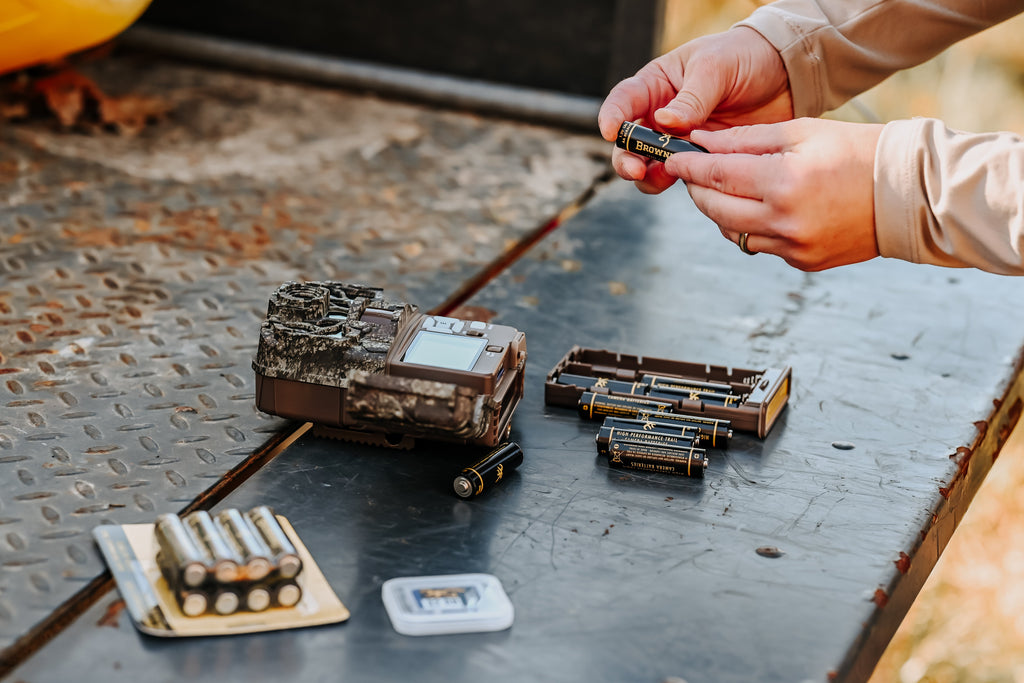
Trail cameras have become one of the most valuable tools for monitoring wildlife activity, managing property, and staying connected to the outdoors when you are not physically there. From remote forests to creek crossings and field edges, these cameras quietly document the movement of animals day and night.
For many first-time users, however, the technology behind a trail camera can feel unfamiliar. Understanding how these cameras work makes it much easier to choose the right model and place it effectively on your property.
What Is a Trail Camera
A trail camera is a motion-activated outdoor camera designed to capture photos or videos when an animal or person moves through its detection zone.
Unlike traditional cameras that require someone to press a shutter button, trail cameras operate automatically. Once mounted in the field, they monitor an area continuously and record activity whenever movement is detected.
Trail cameras are built with weather-resistant housings, long battery life, and infrared technology that allows them to operate both during the day and in complete darkness.
The Motion Detection System
The technology that allows trail cameras to capture images automatically is called a passive infrared sensor, often referred to as a PIR sensor.
This sensor detects changes in heat and motion within the camera’s detection zone. When a warm-blooded animal moves across the field of view, the sensor recognizes the temperature difference between the animal and the surrounding environment.
Once the sensor detects movement, the camera immediately activates and captures an image or begins recording video.
Modern trail cameras are designed with highly sensitive detection systems that allow them to monitor large areas while minimizing false triggers caused by wind, vegetation, or changing sunlight.
Image and Video Capture
After motion is detected, the camera’s lens and image sensor work together to capture the scene.
The lens focuses light onto a digital sensor similar to the technology used in smartphones and digital cameras. The sensor then converts that light into a digital image.
Trail cameras can capture:
• High-resolution photos
• HD or full HD video
• Burst sequences of multiple images
The quality of the image depends on several factors, including lens quality, sensor technology, and image processing within the camera.
High-quality trail cameras are designed to produce clear detail even when animals move quickly through the frame.

Image: Craig Kavajecz
Nighttime Operation and Infrared Technology
Wildlife activity does not stop when the sun goes down, which is why trail cameras are designed to operate in complete darkness.
Most modern trail cameras use infrared LED illumination to capture images at night. When the camera is triggered in low-light conditions, infrared LEDs briefly illuminate the scene with light that is invisible to the human eye and minimally disruptive to wildlife.
This allows the camera to capture clear nighttime photos and videos without alerting animals to its presence.
The range and brightness of infrared illumination play a significant role in nighttime image quality, particularly when monitoring larger areas.
Power and Long-Term Operation
Trail cameras are designed for extended use in remote locations. Browning models operate using standard batteries that power the camera for months on end.
Power efficiency is critical because cameras may be placed in areas that are difficult to access frequently.
Advanced camera designs optimize battery life by remaining in standby mode until motion is detected, conserving energy while still monitoring the area continuously.

Storage and Image Retrieval
Once images or videos are captured, they must be stored or transmitted.
Traditional trail cameras save files to an SD card inside the camera. Users retrieve the card periodically to review the captured images.
Cellular trail cameras, however, can send images directly to a mobile device through the Strike Force Wireless app. This allows property owners and wildlife observers to receive images from remote locations without visiting the camera.
Remote image delivery has made trail cameras significantly more convenient for monitoring wildlife activity across large properties.
 Image: Ken Morter
A Window Into Wildlife Activity
Trail cameras provide a unique perspective on wildlife movement that would otherwise go unseen. By combining motion detection, infrared technology, and durable outdoor design, they are able to capture moments that would otherwise go unnoticed.
Whether monitoring deer movement, observing animals near a pond or creek, or simply learning more about the wildlife that shares your property, trail cameras offer a reliable way to stay connected to the landscape.