
The Late Season Advantage

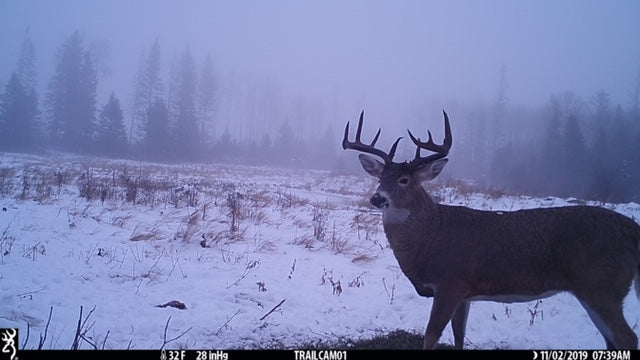
Image: Pat Kohls
December marks a turning point in the natural rhythm of the outdoors. Wildlife behavior shifts, food availability tightens, temperatures drop, and the landscape becomes quieter yet far more revealing. For hunters, landowners, and property managers, this period offers some of the clearest insights of the entire year.
Understanding what takes place during the late season can strengthen your strategy, refine your stewardship practices, and help you interpret patterns that are often difficult to see earlier in the year.
A Season Defined by Predictability
As winter approaches, wildlife becomes increasingly focused on efficiency. Patterns tighten around energy conservation, survival, and access to dependable resources. Animals tend to move with greater purpose and often follow more predictable routes across the landscape.
For property managers and hunters, this creates a unique window of opportunity. The trails, rub lines, feeding transitions, and travel corridors that may have been scattered during early autumn begin to concentrate. Even a short period of consistent observation can reveal patterns that continue well into the rest of winter.
The Importance of Food Source Awareness
Food availability plays a central role in shaping late season movement. When natural forage becomes scarce, wildlife gravitates toward reliable feeding areas such as standing crops, mast producing trees, winter browse, and sheltered openings.
Tracking activity around these areas can provide a clear picture of herd health, overall population density, and pressure placed on food resources. For landowners, understanding how wildlife uses available nutrition during December can guide decisions about future habitat improvements, planting choices, and long term management strategies.
Cold Weather Creates Concentrated Movement
As temperatures drop, wildlife behavior becomes more focused. Activity often increases during specific windows such as early morning and late afternoon when feeding needs intersect with energy conservation. These defined movement periods make it easier to identify consistent routes, bedding locations, and areas where animals seek shelter during harsher conditions.
The more concentrated wildlife becomes, the easier it is to interpret behavior. This insight can influence your understanding of land use, stand placement, habitat decisions, and general observation patterns throughout winter.
Visibility Changes in December
Shorter daylight hours and frequent cloud cover shape how the late season looks and feels. Morning frost, colder air, and low winter light create a unique environment that requires a more intentional approach to observation. While visibility can seem limited, the landscape often provides clearer indicators of activity. Fresh tracks stand out more sharply, trails become more defined, and compressed bedding areas are easier to identify. Even subtle clues can reveal important details about wildlife movement across your land.

Image: Bud Utecht, Game Camera Artistry
Why December Activity Matters for the Months Ahead
Late-season behavior rarely exists on its own. The patterns visible in December often continue well into winter and influence early spring movement. Understanding where wildlife concentrates during this time can guide decisions about habitat improvement, food source planning, cover management, and future placement of scouting locations or stands. It also helps property managers anticipate pressure points and areas that may require preservation or reduced disturbance.
Even on smaller properties, knowing how wildlife uses the natural features during December can build a stronger foundation for long-term management and healthier land overall.
A Season Worth Studying
The late season offers something rare. It brings clarity. It reveals behavior shaped by necessity rather than abundance. It provides information that is grounded in instinct and less influenced by external pressure.
For hunters, it represents a chance to refine strategy through careful observation. For landowners, it offers valuable knowledge about how wildlife relies on the property when conditions are at their toughest. For anyone who appreciates the outdoors, it is a season that invites patience and rewards attention.
December encourages you to slow down, read the landscape, and learn from the stillness that defines this time of year. It is a season rich with information and one that offers lasting value for anyone who studies the natural world with purpose.